
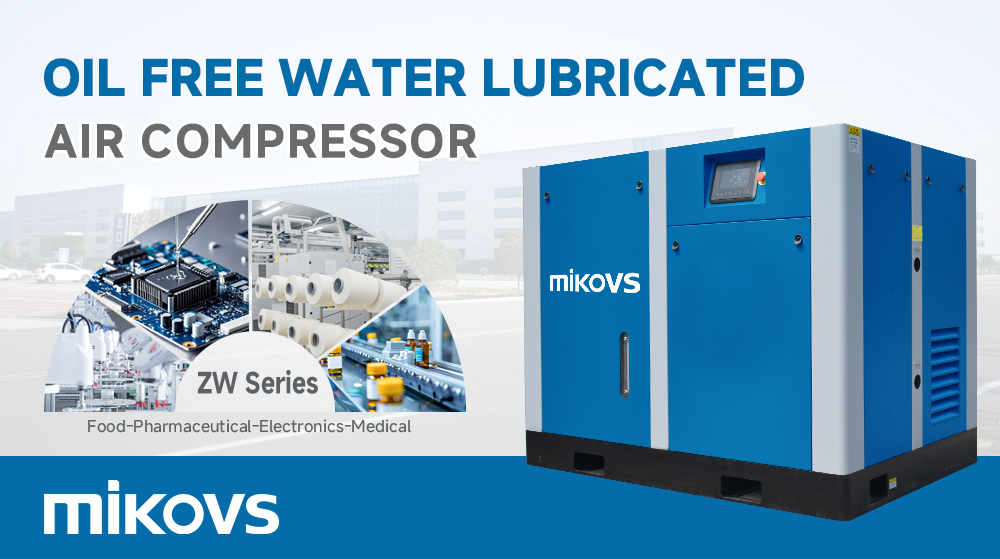
In industries where cleanliness and purity are paramount, such as food and pharmaceuticals, an oil-free screw air compressor is a must-have. These compressors are designed to deliver compressed air without the risk of oil contamination, making them ideal for applications where air quality is critical.
Advantages of Oil-Free Screw Air Compressors
One of the primary advantages of oil-free screw air compressors is their ability to produce clean, dry air. This is essential in the food industry, where any oil contamination can compromise product safety and quality. Similarly, in the pharmaceutical sector, the integrity of products relies heavily on the purity of the air used in manufacturing processes.
Additionally, oil-free compressors typically require less maintenance than their oil-lubricated counterparts. Without the need for oil changes and the associated disposal issues, operational costs can be significantly reduced. They also tend to have a longer lifespan due to the absence of oil-related wear and tear.
Disadvantages of Oil-Free Screw Air Compressors
However, there are some disadvantages to consider. Oil-free screw air compressors can be more expensive upfront compared to traditional oil-lubricated models. Their efficiency may also be lower, leading to higher energy consumption in some cases. Furthermore, they may not be suitable for all applications, particularly those that require high-pressure outputs or continuous operation under heavy loads.
Applicable Scenarios
In summary, an oil-free screw air compressor is worth buying for businesses in the food and pharmaceutical industries where air purity is non-negotiable. While they come with a higher initial investment, the long-term benefits of reduced maintenance and enhanced product safety often outweigh the costs. For companies prioritizing quality and compliance, investing in an oil-free screw air compressor is a strategic decision that can lead to significant operational advantages.